
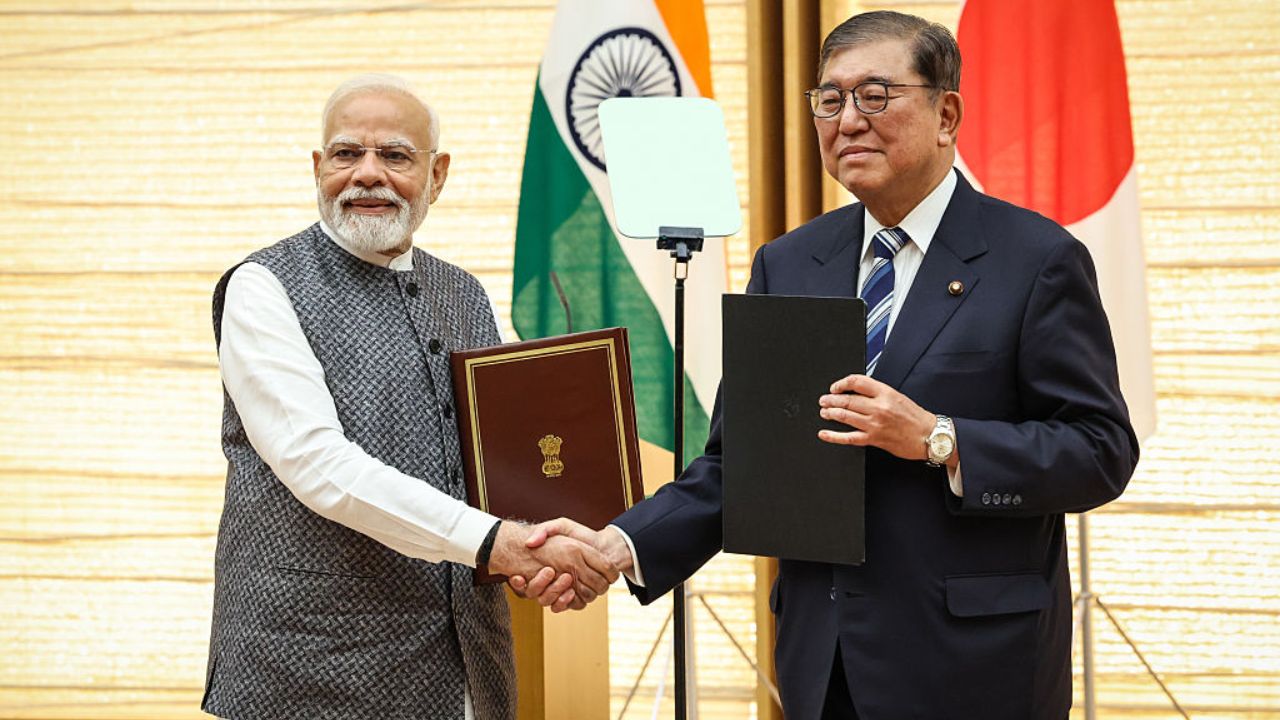
Tokyo/New Delhi, December 31, 2025 – Japan and India have launched an ambitious Action Plan for Human Resource Exchange and Cooperation, announced during the 2025 India-Japan Annual Summit. The initiative aims to facilitate the two-way movement of over 500,000 personnel over the next five years, including a target of 50,000 skilled and semi-skilled Indian workers heading to Japan. The plan focuses on high-demand sectors such as AI, semiconductors, IT, nursing care, and caregiving, addressing Japan's severe labor shortages driven by its aging population and shrinking workforce.
Key elements of the agreement include subsidized skill and Japanese language training in India, expanded use of Japan's Specified Skilled Worker (SSW) system, recruitment platforms like the India-Japan Talent Bridge, academic exchanges through scholarships (e.g., MEXT and LOTUS programs), internships, and efforts to make permanent residency more accessible and affordable for qualified Indians. Japanese companies and government bodies will support pre-departure preparation to ensure workers are "Japan-ready."
Proponents highlight the mutual benefits: Japan gains access to India's vast talent pool to sustain its economy, while Indian professionals secure opportunities in a high-wage, advanced market. The plan builds on existing frameworks like the Technical Intern Training Program and emphasizes safe, orderly migration.
However, the initiative has sparked significant controversy in Japan. Anti-immigration sentiments have risen, with protests in cities like Osaka and Tokyo expressing fears of cultural dilution, increased crime, and strain on resources. Critics argue that large-scale influxes from culturally distinct backgrounds could disrupt Japan's traditionally homogeneous society, with some online and far-right voices specifically questioning the fit of Indian migrants. Broader xenophobia has intensified, fueled by misinformation about other immigration-related programs and high-profile incidents abroad involving foreign nationals.
Adding to tensions, a recent event in Varanasi, India, has drawn attention. On December 25, a group of Japanese tourists wearing Santa Claus hats and swimsuits were confronted by locals at Dashashwamedh Ghat while attempting to bathe in the Ganges. Accusations of disrespecting the sacred site's sanctity led to verbal harassment, forcing the tourists to apologize publicly. The incident, widely shared on social media, has been cited by some Japanese commentators as evidence of cultural insensitivity toward visitors, amplifying concerns about mutual respect in people-to-people exchanges.
The whole #world should watch this video. #Japanese #tourists face abuse in Varanasi.
— Global WatchDog ? (@1129_ali) December 29, 2025
As shown in the video, they had to connect their hands and apologize.
They wore Santa Claus crowns and swimsuits.
The crowd intimidated, abused and chased them away. #japan #Japanesewomen pic.twitter.com/wAjsVApDir
Meanwhile, challenges for Indian migrants elsewhere underscore integration issues. In 2025, Saudi Arabia deported over 11,000 Indian nationals—primarily for visa overstays and labor violations—far exceeding numbers from other countries, including the United States (around 3,800). Such deportations highlight the risks low-skilled workers face in strict regulatory environments, raising questions about whether similar cultural and legal adaptation hurdles could arise in Japan.
As the plan rolls out, both governments emphasize training and awareness to promote harmonious integration. Yet, with public unease growing in Japan, the success of this landmark exchange will depend on addressing these cultural and societal concerns head-on.


No comments yet. Be the first to comment!